Insurance has long been seen as a simple contract: pay a premium, file a claim, and trust the insurer to cover your losses. But in today's tumultuous market—where wildfires, floods, inflation, and non-renewals have thrown many into confusion—understanding your insurance coverage is more critical than ever.
In a recent episode of Insurance Hour, host Karl Susman, founder of Susman Insurance Agency, provided valuable insights on how to navigate the increasingly complex world of insurance policies. Whether it's homeowners, auto, life, or renters insurance, Susman offered guidance on how to better understand what's covered, what’s not, and how to avoid being caught off guard when disaster strikes.
The Coverage Confusion Crisis
The insurance industry has always struggled with clear communication. Policies are full of dense, technical language, exclusions are often buried in fine print, and renewal notices can arrive with rate increases and little explanation.
As Susman puts it,
“People think they know what’s in their policy—until something happens. Then they realize what they thought they had and what they actually have are two very different things.”
California's ongoing insurance crisis has exacerbated this disconnect. Major carriers such as State Farm, Allstate, and Farmers have stopped writing new homeowners policies in high-risk areas, while others raise rates significantly or reduce coverage. For many consumers, the result is uncertainty about whether their insurance truly covers them.
Susman offers simple but crucial advice:
“You can’t control the market, but you can control how well you understand your coverage.”
Start with the "What If" Questions
To help consumers make sense of their policies, Susman suggests framing the conversation around
“What if” questions, which are practical scenarios that determine if you’re really covered when the unexpected happens:
- What if my home is damaged in a wildfire or flood?
Many homeowners assume that “fire insurance” means coverage for all disasters. However,
flood and earthquake coverage are excluded from standard policies, requiring separate endorsements or policies. - What if I rent out my home?
If you rent out your property on platforms like Airbnb, a standard homeowners policy could be invalidated. A
landlord or rental endorsement is needed. - What if someone gets hurt on my property?
Liability coverage is often overlooked but essential. You could be held responsible if a contractor, guest, or delivery driver is injured on your property. - What if my car is stolen—or flooded?
Comprehensive auto coverage is needed to protect against theft, vandalism, or weather damage. Basic liability won't cover these risks.
By framing your insurance around
real-world scenarios, you can spot gaps in your coverage that might otherwise go unnoticed.
Don't Wait Until Renewal Time
Susman warns against the common mistake of only reviewing your insurance once a year during renewal.
“By the time your renewal shows up, it’s too late to fix a problem,” he says.
Instead, review your coverage
whenever you experience major life changes, such as:
- Remodeling or adding square footage
- Purchasing or leasing a new car
- Starting a home-based business
- Acquiring valuable items like jewelry or electronics
- Adding new drivers to your household
Failure to update your policy can result in
underinsurance or, worse,
claim denial. For example, a renovated home or a new teenage driver could cause your coverage to be inadequate, leaving you financially vulnerable in case of a claim.
Understanding What’s Not Covered
One of the biggest sources of confusion isn’t what’s included, but what’s
excluded. Exclusions define the true limits of your policy. Common exclusions include:
- Homeowners: Earthquakes and floods (require separate policies), wear and tear, pest damage, power failure, and war.
- Auto: Commercial use (e.g., ridesharing without endorsement), intentional damage, and driving under the influence.
As Susman emphasizes,
“If it’s not in writing, it’s not covered.” Always request a
full policy copy and carefully read the declarations page (which outlines coverages and limits) and the exclusions section. If something isn’t clear, ask your agent for clarification.
How Agents and Brokers Can Help
Many consumers don’t realize that there’s a difference between
insurance agents and
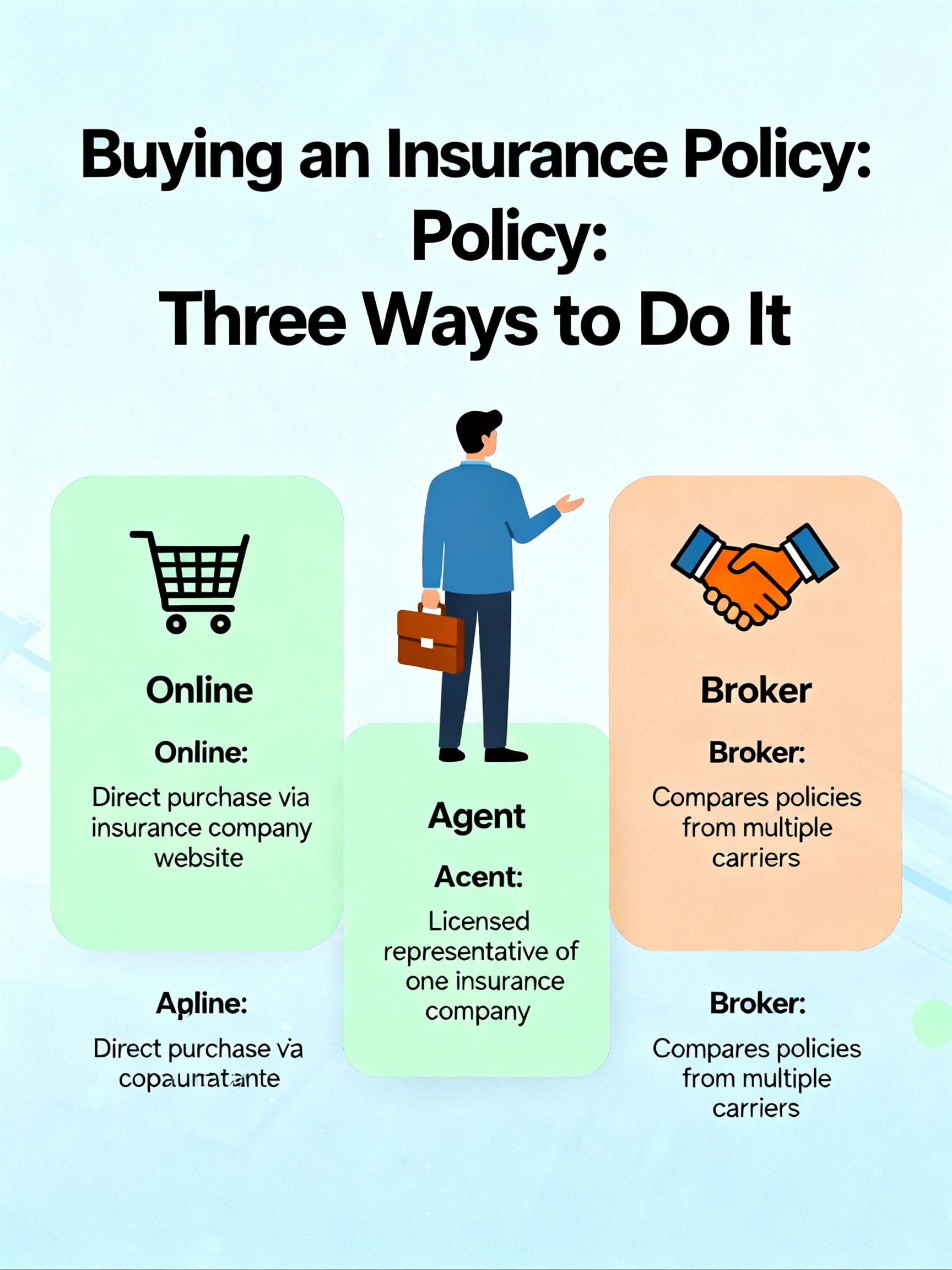
insurance brokers. Agents represent one company, while brokers work with multiple carriers to find the best policy for their clients.
Susman, who operates as a broker, emphasizes the value of having
independent advocacy:
“When you buy through a broker, you’re not just buying a policy—you’re getting an advisor who can help you navigate changes, claims, and renewals.”
However, Susman also stresses that consumers must be proactive:
“Don’t expect your agent to read your mind. You have to tell them what’s new—your remodel, your side business, your teenager getting their license.”
California’s Insurance Crisis: A Cautionary Tale
The instability in California's insurance market highlights why
insurance literacy is so important. With major insurers pulling back from high-risk zones and the California FAIR Plan struggling to cover displaced homeowners, consumers are often left juggling multiple policies from different providers.
For example, homeowners might have:
- A
FAIR Plan fire policy
- A
difference in conditions (DIC) policy for liability and theft
- A
flood policy from FEMA
It's crucial to keep these policies
coordinated to avoid gaps in coverage.
“People think if they have multiple policies, they’re double-covered,” Susman explains.
“But often they’re double-paying for one risk and not covered at all for another.”
The Hidden Role of Inflation and Rebuilding Costs
Even if your coverage limits seem sufficient,
inflation and
supply chain issues have quietly eroded the value of many policies. Construction materials, labor, and equipment costs have surged since 2020.
A policy that once seemed adequate for a $500,000 home may now fall $200,000 short of the actual rebuilding cost. Susman’s advice?
“If your home burns down tomorrow, you’ll get a check that’s nowhere near enough.”
To protect yourself:
- Ask for inflation guard coverage, which automatically adjusts limits.
- Get a replacement cost estimator from your insurer or agent every couple of years.
- Review “ordinance or law” coverage, which covers upgrades required by new building codes.
The Power of Proactive Communication
Throughout the discussion, Susman emphasized the importance of
proactive communication with your insurance provider. Don’t wait for your insurer to tell you something’s wrong—ask questions before a claim arises. Some key questions to ask include:
- What’s my deductible, and can I afford it out of pocket?
- Are there any sub-limits (for jewelry, electronics, etc.)?
- What’s excluded from coverage, and can I add an endorsement?
- How are claims handled—directly, through my agent, or a third-party adjuster?
- Is my home insured for
replacement cost or
actual cash value?
“The smartest policyholders are the ones who ask the most questions,” Susman says.
Educated Consumers = Stronger Insurance Markets
One of the overlooked benefits of
insurance literacy is its power to stabilize the overall market. Educated consumers file fewer unnecessary claims, commit less fraud, and have healthier long-term relationships with their insurers.
Susman argues that
“The more informed policyholders are, the better insurers can price risk accurately. It’s a win-win.”
Final Thoughts: Take Control of Your Coverage
In today’s unpredictable insurance environment, confusion can be costly. But
knowledge is power. Whether you’re dealing with wildfire risks, rising premiums, or complex exclusions, Susman’s advice is simple but vital:
“Insurance doesn’t have to be scary. But it does have to be understood.”
By staying proactive—asking tough questions, reviewing your policy, and keeping your agent informed—you can ensure that your coverage works when life doesn’t go as planned.